
Krisztina Rudnay-Peters
Winter brings cozy fires, wool blankets, and… shorter dog walks. When cold weather makes long outdoor outings impractical or unsafe, winter dog routines need an upgrade. Dogs still require physical movement, mental stimulation, and consistent training—even when snow, ice, or frigid winds keep you indoors. That’s where winter dog training becomes critical, offering creative ways to keep your pup healthy, happy, and well‑trained until warmer weather returns.
In this blog, you’ll discover practical and fun indoor activities, short walks, enrichment ideas, movement games, and training sessions designed to beat boredom and keep your dog thriving through the chillier months.
Why Winter Dog Training Matters
Cold weather doesn’t mean dogs stop needing activity. In fact, without enough stimulation, dogs can develop boredom behaviors like digging at doors, excessive barking, chewing shoes, or pacing the house. Regular routines that incorporate winter dog training help:
-
Release excess energy safely indoors rather than through long outdoor walks.
-
Build mental engagement when physical pacing isn’t possible.
-
Strengthen your bond through shared activities and structured learning.
Training in winter isn’t just about obedience—it’s about keeping your dog healthy in body and mind.
1. Short, Frequent Winter Walks
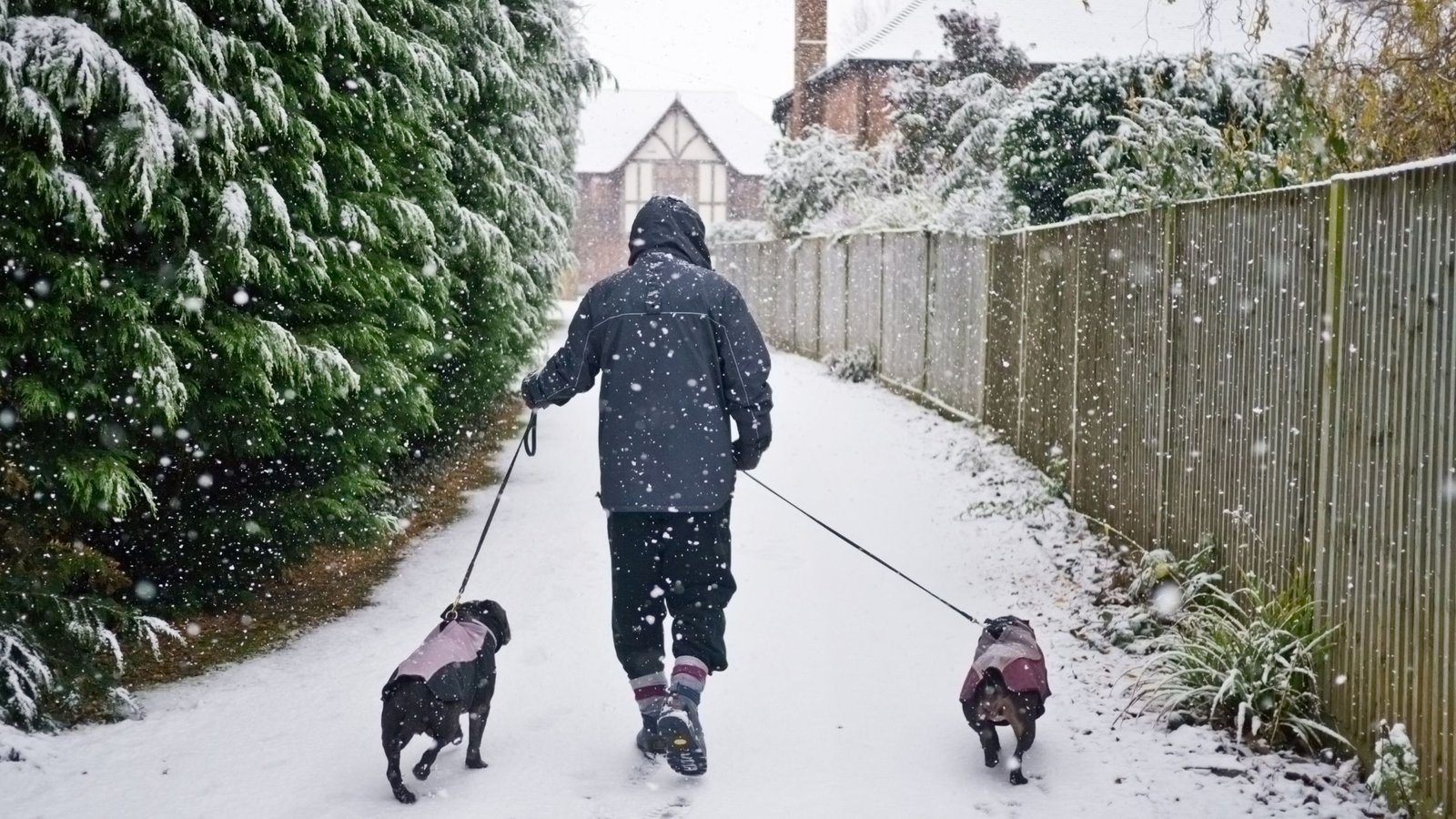
Just because it’s cold doesn’t mean you have to skip walks entirely. Instead of one long stroll, break them into short, frequent walks during the warmest parts of the day. This approach keeps muscles moving, provides fresh air, and still lets your dog explore the outdoors safely.
Tip: Dress your dog for the weather—consider booties for paw protection and a warm coat for short‑haired or senior dogs.
2. Indoor Movement Games That Burn Energy
When outdoor time is limited, active indoor games make a big difference. These games get your dog moving and help burn excess energy:
Tug‑of‑War
A classic energy burner that’s simple and effective. Tug helps burn calories and reinforces commands like “drop it” or “release.” Just be sure you’re in control of starting and stopping the game.
Indoor Fetch
Clear a hallway or room and use soft toys for indoor fetch. Rolling instead of throwing helps prevent damage while still letting your dog sprint and play.
Stair Workouts
If you have stairs and your dog’s joints are healthy, tossing a toy up the steps invites them to run up and down for a solid cardio boost.
Flirt Pole Fun
A flirt pole is like a dog‑friendly “laser tag” toy that encourages chasing and agility in a small space—great for dogs that love to chase and jump.
Movement games help convert pent‑up energy into fun and fitness, especially when outdoor routes are icy or snowy.
3. Brain Games and Winter Enrichment
Dogs need mental stimulation just as much as physical activity. Enrichment keeps their minds sharp and their behaviors positive.
Treasure Hunts & Scent Games
Hide treats around the house or beneath cups and let your dog sniff them out. This taps into your dog’s natural instincts and gives their nose a workout.
Puzzle Toys & Snuffle Mats
Interactive puzzles and snuffle mats offer slow‑paced mental challenges that extend mealtime into playtime. These toys mimic foraging and engage your dog’s brain.
DIY Treat Challenges
You don’t need fancy equipment—simple household items like muffin tins, towels, or boxes can hide treats and create engaging challenges.
Mental enrichment is a cornerstone of effective winter dog training—engaged brains often lead to calmer, happier dogs.
4. Structured Indoor Training Sessions
Down time in winter is the perfect opportunity to build obedience and learn new tricks. Short training breaks help reinforce pet manners and keep your dog’s mind active.
Begin with Basics
Practice foundational commands like sit, stay, come, and down. These reinforce good behavior and add structure to your dog’s day.
Add Fun Tricks
Once basics are solid, teach fun tricks like spin, high five, or roll over—perfect mini workouts for your dog’s brain.
Train With Purpose
Training isn’t just about fun tricks—these sessions strengthen communication and help your dog focus even when indoors.
5. Enrichment Around the House
Keeping your dog active can also mean incorporating stimulation into daily routines.
Obstacle Courses
Use pillows, chairs, blankets, and boxes to design a mini indoor agility course. Guide your dog through each part with treats or praise.
Sniff & Seek Feeding
Instead of a bowl, scatter portions of your dog’s meal around the house to encourage natural foraging behavior.
Box Play & Interactive Challenges
A cardboard box can be transformed into a sniff box, a hideout, or a puzzle station. Dogs can spend loads of time exploring, pawing, and problem‑solving.
Enrichment makes your dog’s environment more interesting and breaks up the monotony of winter days.
6. Use Tools to Support Winter Dog Training
Certain tools can help keep your dog engaged when you can’t get outside:
-
Interactive feeders and puzzle toys stimulate problem‑solving skills.
-
Snuffle mats encourage sniffing and slow down eating.
-
Safe chew toys give dogs a calming outlet when they need to settle down.
These tools let dogs stay mentally active with minimal supervision—perfect for work‑from‑home days.
7. Playdates and Social Enrichment (When Possible)
If weather keeps you homebound, consider extending your dog’s social circle:
-
Indoor dog parks: Some cities have climate‑controlled play spaces.
-
Playdates: Invite a friend’s dog over for supervised indoor play.
Social interaction is a valuable form of enrichment and can make winter feel less isolating for both pet and owner.
8. Cool Down and Relaxation Routines
Not all indoor activities need to be high‑energy. Calm enrichment also has benefits:
-
Licking mats with a smear of dog‑safe puree or peanut butter can soothe and occupy your dog.
-
Quiet break zones with cozy beds help your dog rest after active play.
Alternating high‑energy games with relaxed downtime helps your dog learn balance in their routine.
Final Thoughts: Making Winter Training Work for Your Dog
Winter can be challenging—but it doesn’t have to be boring. With intentional winter dog training routines, your dog can stay active, mentally stimulated, and connected to you even when walks are short or skipped entirely.
Here’s a quick winter checklist to get started:
✅ Short, frequent outdoor walks when possible
✅ Daily indoor movement games
✅ Brain challenges and enrichment activities
✅ Structured training sessions
✅ Safe chew toys and interactive tools
✅ Social play opportunities
✅ Calm resting and enrichment zones
By varying activities and keeping routines engaging, winter becomes a season of growth, play, and bonding—not just cold weather confinement.
Join the Calm Canine Academy group to build real-life skills in just 5 minutes a day