
Krisztina Rudnay-Peters
If you’ve ever had a dog who barks, lunges, or growls at other dogs, people, or noises, you’re not alone. Reactivity in dogs is more common than you might think — and thankfully, it’s manageable with the right techniques. Whether your dog’s reactions stem from fear, frustration, or excitement, proper reactivity dog training can transform your daily walks and overall relationship.
In this post, we’ll explore 10 expert-backed tips to help you manage and reduce your dog’s reactivity. These tips are inspired by world-renowned dog behaviorists like Dr. Patricia McConnell, Jean Donaldson, Victoria Stilwell, and Karen Pryor — all pioneers in positive reinforcement and canine behavior science.
What Is Dog Reactivity?
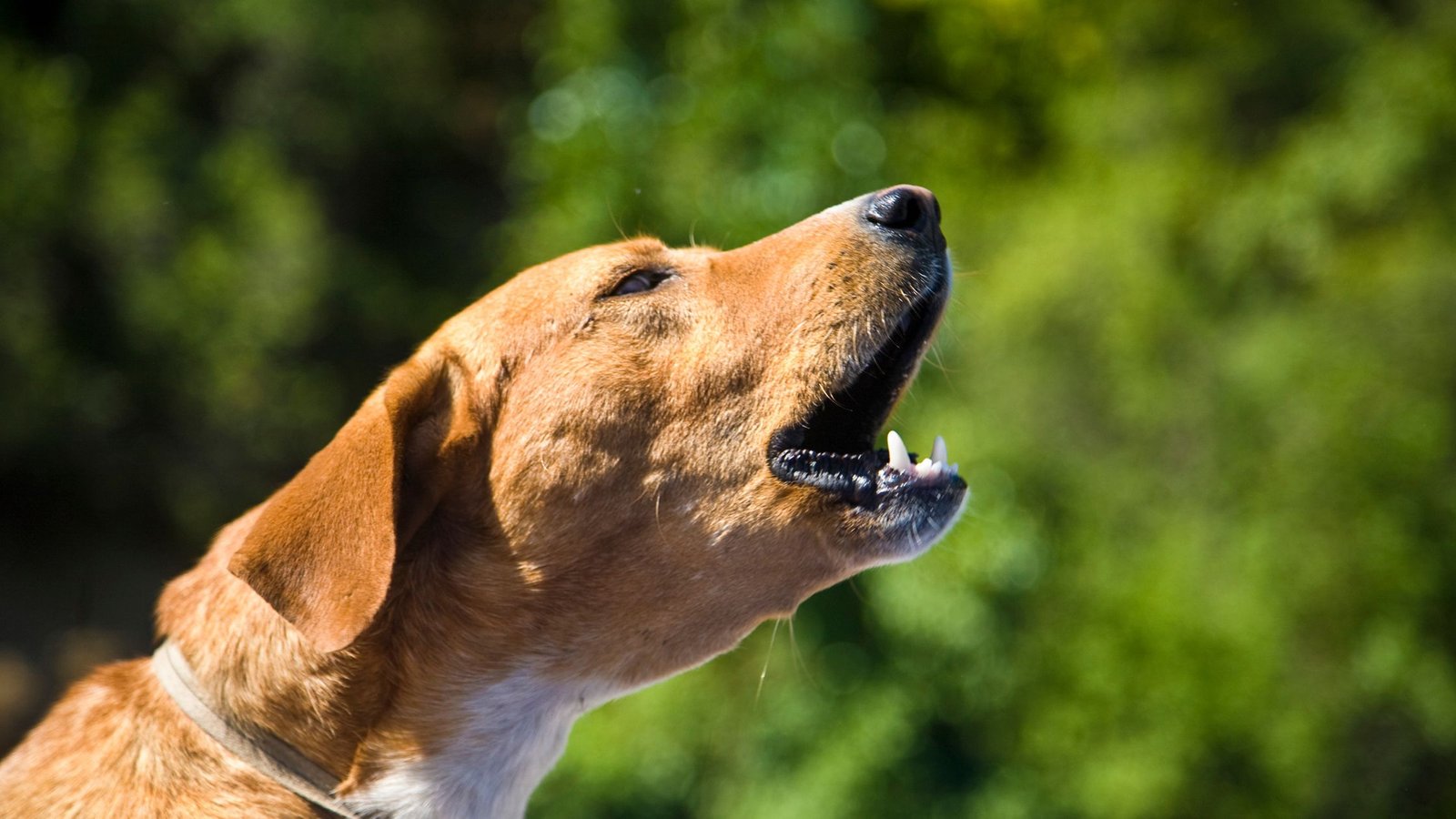
Before diving into the tips, let’s clarify what reactivity means. A reactive dog overreacts to normal stimuli — such as other dogs, strangers, bikes, or loud noises. This response can look like:
-
Barking or growling
-
Lunging on the leash
-
Freezing or cowering
-
Spinning or pulling
Reactivity is often mistaken for aggression, but in many cases, it’s a response rooted in fear, over-arousal, or poor socialization. The good news? With patience and consistency, reactivity dog training can bring remarkable improvement.
1. Understand the Root Cause of Your Dog’s Reactivity
Inspired by: Dr. Patricia McConnell
Every reactive dog is different. Some are fearful, while others are frustrated or overly excited. Understanding the underlying emotion is key. According to Dr. McConnell, “you can’t treat the behavior without treating the emotion behind it.”
👉 Tip: Keep a training journal to track what triggers your dog, at what distance, and how they react. This will help identify patterns and measure progress.
2. Create a Safe Buffer Zone
Inspired by: Grisha Stewart, developer of BAT (Behavior Adjustment Training)
Distance is your best friend. Reactive dogs have a “threshold” — the point where they’re too stressed to learn. Keeping your dog under threshold is critical for success.
👉 Tip: Use long leads or open spaces to maintain a comfortable distance from triggers. Gradually decrease that distance as your dog becomes more confident.
3. Use Desensitization and Counterconditioning
Inspired by: Jean Donaldson and classical conditioning principles
One of the most effective methods in reactivity dog training is desensitization paired with counterconditioning. That means exposing your dog to a trigger at a low intensity and pairing it with something positive, like treats.
👉 Tip: If your dog sees another dog across the street and stays calm, reward with high-value treats. Over time, they’ll associate other dogs with good things instead of threats.
4. Use Marker Words or a Clicker for Precision
Inspired by: Karen Pryor, pioneer of clicker training
Using a marker word (“Yes!”) or a clicker helps communicate to your dog the exact moment they make a good choice — like looking at you instead of reacting.
👉 Tip: Practice in low-distraction areas first. Mark and reward calm behavior around mild triggers, then increase difficulty slowly.
5. Reinforce an Incompatible Behavior
Inspired by: Victoria Stilwell
Teach your dog a behavior that they can’t do at the same time as reacting — such as looking at you, walking at your side, or performing a hand touch.
👉 Tip: One of the best incompatible behaviors is the “Look at Me” cue. Reward eye contact with you when a trigger appears to replace reactive responses with calm focus.
6. Implement LAT (Look at That) Training
Inspired by: Leslie McDevitt, creator of the “Control Unleashed” program
“Look at That” (LAT) teaches your dog to look at a trigger calmly instead of avoiding or reacting to it. It gives the dog a predictable pattern and reinforces self-control.
👉 Tip: When your dog sees a trigger and looks at it without reacting, mark and treat. Over time, your dog learns that looking calmly is rewarded, reducing reactivity.
7. Manage the Environment
Inspired by: Debbie Jacobs, author of “Fearful Dogs”
Set your dog up for success by managing the environment. This means avoiding known trigger zones during peak times, using visual barriers, or even changing your walking route.
👉 Tip: Use a treat pouch, head halter, or no-pull harness to maintain control and build trust. Keep walks short and positive until your dog is more confident.
8. Use High-Value Rewards
Inspired by: Zak George and positive reinforcement science
When working on reactivity dog training, kibble won’t cut it. Use high-value treats your dog loves — chicken, cheese, liver, etc. This increases motivation and helps them focus even around triggers.
👉 Tip: Cut treats into tiny bits so you can reward frequently without overfeeding. Rotate treat types to keep your dog interested and engaged.
9. Stay Calm and Consistent
Inspired by: Cesar Millan and calm energy principles
While Cesar Millan’s dominance theory has faced criticism, one of his more universally accepted ideas is the importance of calm energy. Your dog reads your emotions. If you tense up, your dog is likely to do the same.
👉 Tip: Breathe deeply when you see a trigger. Loosen your grip on the leash. Speak softly. Your calm response helps your dog feel more secure.
10. Seek Professional Guidance
If you’re overwhelmed, working with a certified positive reinforcement trainer can make all the difference. Look for trainers certified by organizations like:
-
CCPDT (Certification Council for Professional Dog Trainers)
-
IAABC (International Association of Animal Behavior Consultants)
-
Karen Pryor Academy
👉 Tip: Avoid trainers who use punishment-based techniques. These can worsen reactivity and increase anxiety.
Bonus: What NOT to Do in Reactivity Dog Training
To make your efforts more effective, here are some common mistakes to avoid:
-
Don’t punish reactive behavior — It can increase fear and worsen the problem.
-
Don’t flood your dog with triggers — Going too fast can lead to setbacks.
-
Don’t ignore subtle signs of stress like lip licking, yawning, or tail tucking.
Building Confidence is Key
Reactivity dog training isn’t just about stopping bad behavior — it’s about teaching your dog to feel safe and confident. That takes time, patience, and a deep understanding of your dog’s emotional world.
Celebrate the small wins: a calm look at another dog, a quiet walk past a jogger, or a successful “Look at Me” in a triggering situation. These victories are proof of your progress.
Final Thoughts
Reactivity is not a character flaw — it’s a communication signal. Your dog is telling you that something in their world feels overwhelming. By approaching reactivity dog training with compassion, science-backed techniques, and a commitment to positive reinforcement, you’ll see a powerful transformation in your dog’s behavior and your bond.
Remember, you’re not alone. With these expert tips, consistent effort, and the right mindset, a calmer, more confident dog is absolutely within reach.