
Krisztina Rudnay-Peters
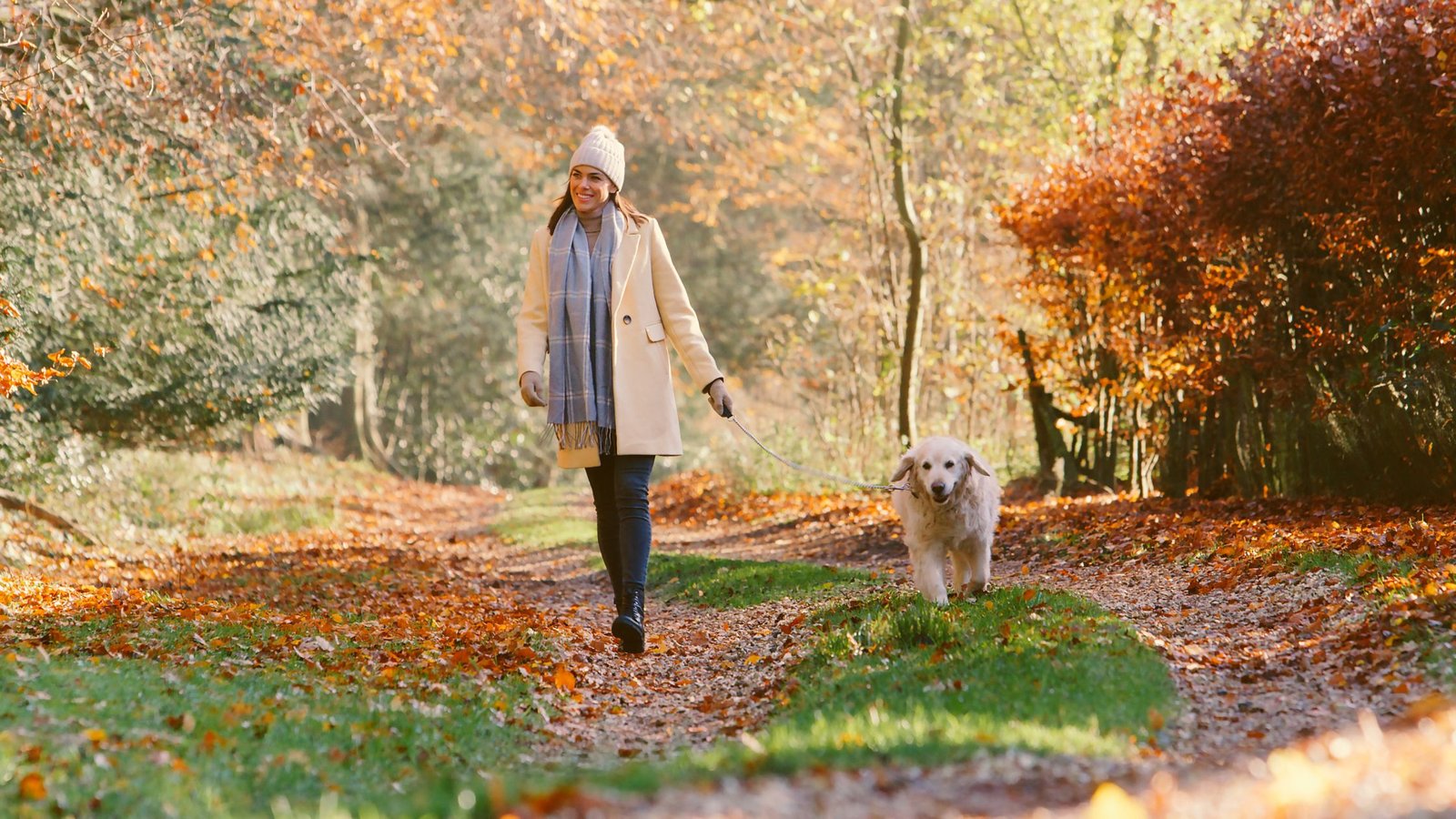
Let me just start by saying: decompression walks have changed everything for me and my dog. I used to dread our daily walks because my pup was so reactive—barking, pulling, and constantly on high alert. It was exhausting. Then, I discovered something magical: decompression walks.
In this blog, I’m going to walk you through everything you need to know about this game-changing technique in dog training.
We’ll dive into:
-
What a decompression walk actually is
-
Why it’s so beneficial for your dog
-
How to do it the right way
-
The context behind why it’s so effective
-
Real-life examples from my own walks
Whether you’ve got a high-energy pup or a nervous rescue, this guide is gonna be your go-to for making walks more enjoyable for both of you.
Ready? Let’s sniff this thing out!
What Is a Decompression Walk?
Alright, picture this: your dog, off-leash or on a long lead, calmly sniffing their way through a trail, a field, or a quiet park—not rushed, not restricted, just… being a dog. That’s a decompression walk.
Simply Put:
A decompression walk is a walk where your dog is allowed to move freely, at their own pace, in a low-stress environment, usually using a long line or off-leash in a safe area.
Unlike structured heel-walking or city strolls, decompression walks let dogs follow their nose, explore the world, and decompress from daily stress—hence the name.
Why Are Decompression Walks So Important?
If you’re anything like me, you want the best for your furry friend. So here’s why decompression walks matter—big time:
1. Reduces Stress and Anxiety
Dogs, especially rescues or reactive dogs, carry a lot of tension. A decompression walk gives them time to unwind naturally. Think of it like yoga or meditation—for dogs!
2. Fulfills Natural Instincts
Dogs are sniffers by nature. Sniffing isn’t just fun—it’s mentally stimulating. One study even found that sniffing lowers a dog’s heart rate. Wild, right?
3. Improves Behavior
Since starting decompression walks with my dog, I’ve noticed way less reactivity and more calm at home. The mental and physical release helps regulate behavior in a big way.
4. Strengthens Bond with Your Dog
When you give your dog the freedom to just be, they start to trust you more. It deepens your connection, no leash jerks or commands—just mutual enjoyment.
How I Do Decompression Walks with My Dog
Alright, let’s get practical. Here’s exactly how I do decompression walks with my dog—and how you can, too.
Step 1: Pick the Right Spot
Look for:
-
Quiet parks
-
Wooded trails
-
Empty fields
-
Beaches (where allowed)
Avoid busy streets or crowded dog parks. You want a low-stimulation environment.
Pro tip: I use Google Maps or AllTrails to scout out quiet green areas.
Step 2: Use a Long Line or Go Off-Leash (if safe)
I use a 30-foot biothane long line, which gives my dog plenty of freedom but keeps him safe. If you’re in a fenced or designated off-leash area, even better!
Step 3: Let Your Dog Lead
This is not the time for commands. Let your dog sniff, wander, and take in the world. Resist the urge to rush.
My dog will often spend five solid minutes sniffing one bush. That’s okay—it’s his walk, not mine.
Step 4: Observe, Don’t Direct
Use the time to observe your dog’s body language. Are they relaxed? Tail loose? Mouth slightly open? That’s the magic of decompression.
Step 5: Build It Into Your Routine
I try to fit in 2-3 decompression walks a week, sometimes more. Even 30 minutes makes a difference.
Why Traditional Dog Walks Aren’t Always Enough
Let’s be real—most of us do quick neighborhood walks because, well, life is busy. But those structured walks don’t always meet your dog’s needs.
They’re full of:
-
Distractions
-
Leash restrictions
-
Rushed potty breaks
-
Constant “heel” commands
Decompression walks offer a mental reset. They turn walking from a chore into a therapy session for your dog.
The Science Behind Decompression Walks
This isn’t just feel-good fluff. There’s solid science backing it up.
-
Sniffing is self-soothing: It activates the olfactory bulb, which connects to the limbic system (aka the emotional center of the brain).
-
Autonomy matters: Dogs benefit from being in control of their pace and direction. It reduces cortisol, the stress hormone.
-
Natural enrichment: Decompression walks provide what behaviorists call “environmental enrichment,” which leads to happier, healthier dogs.
Common Questions About Decompression Walks
1. Is this the same as a regular walk?
Nope! Regular walks are structured and often rushed. Decompression walks are slow, relaxed, and all about your dog’s needs.
2. What gear do I need?
At minimum:
-
A long leash (20–30 feet is great)
-
A secure harness
-
Poop bags (of course)
-
A quiet space
Optional but helpful: treats, water, and tick protection.
3. Can I do this in the city?
Yes, but it’s trickier. Try going during off-hours to a quiet park or find local hidden gems. Urban decompression is possible with a little creativity.
4. What if my dog is reactive?
That’s actually a perfect reason to start. Just keep distance from triggers and always prioritize safety. I started decompression walks because my dog was reactive—and it’s helped immensely.
From Chaos to Calm: My Personal Experience
Before I started decompression walks, my dog was a handful. Overstimulated, leash reactive, pulling constantly. Walks were more of a battle than bonding time.
But once I gave up the idea of “perfect walks” and leaned into this more natural approach, everything changed. Now, my dog comes home tired and fulfilled. And honestly? So do I.
These walks are now our favorite part of the day. Rain or shine, field or forest—it’s our time to connect.
Quick Recap: Decompression Walks in a Nutshell
Here’s your cheat sheet:
-
What is it? A relaxed, unstructured walk where your dog sets the pace
-
Why it matters? Reduces stress, builds trust, and satisfies your dog’s natural instincts
-
How to do it? Long line or off-leash, in a quiet area, no commands—just let ’em sniff
-
How often? 2–3 times a week is great, but even once helps
Dog Training Meets Decompression: A Balanced Combo
While decompression walks aren’t a replacement for training, they are an amazing supplement. A relaxed, fulfilled dog is more receptive to learning.
So if you’re working on reactivity, leash manners, or just better bonding, this might be the missing piece of your training puzzle.
And yes—search engines love this, so here’s a quick keyword reminder:
-
Dog walk
-
Decompression walk
-
Dog training
-
Reactive dog walks
-
Long leash walking
Wrapping It Up (Because “Conclusion” Sounds So Final)
Decompression walks aren’t a trend—they’re a game-changer. If you want to improve your dog’s well-being, reduce reactivity, and create calmer, more enjoyable outings, this is your sign to try it.
I’ve been doing it for months, and trust me—it’s one of the best changes I’ve made as a dog parent.
Let your pup sniff the roses (and trees, and fence posts, and puddles…). Their brain, body, and heart will thank you.
And hey—happy walking. 🐾
Want more dog training tips? Join the free group: Calm Canine Academy